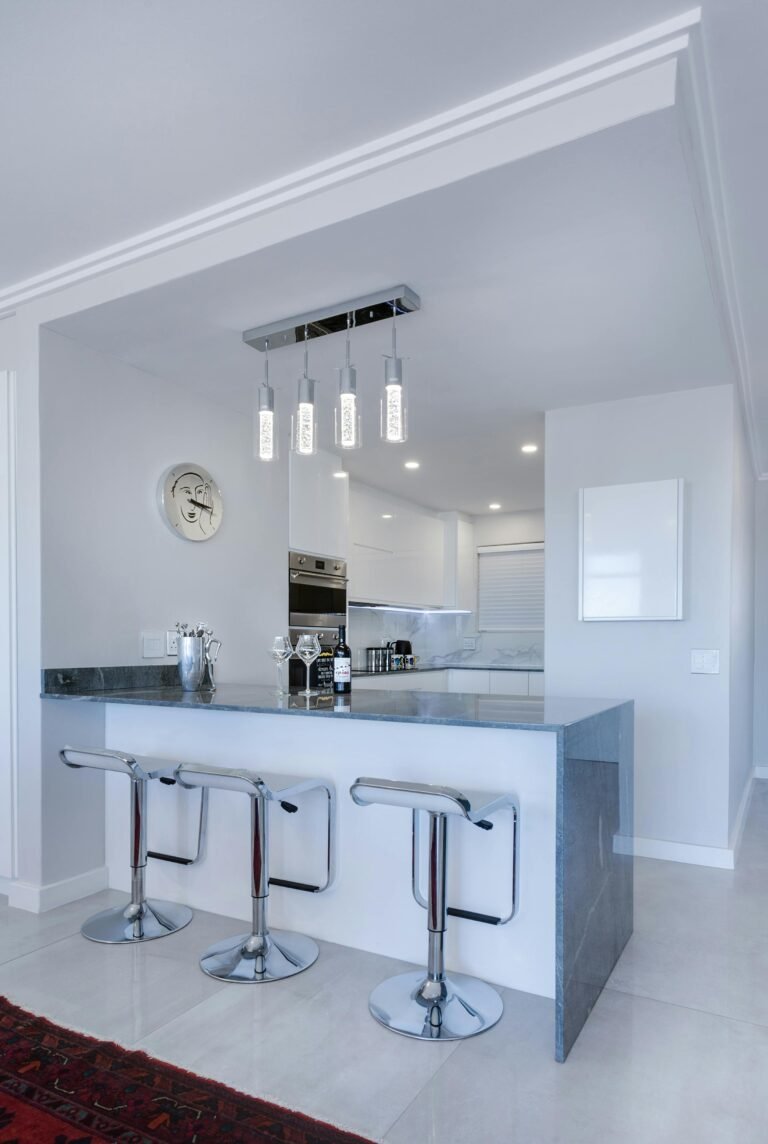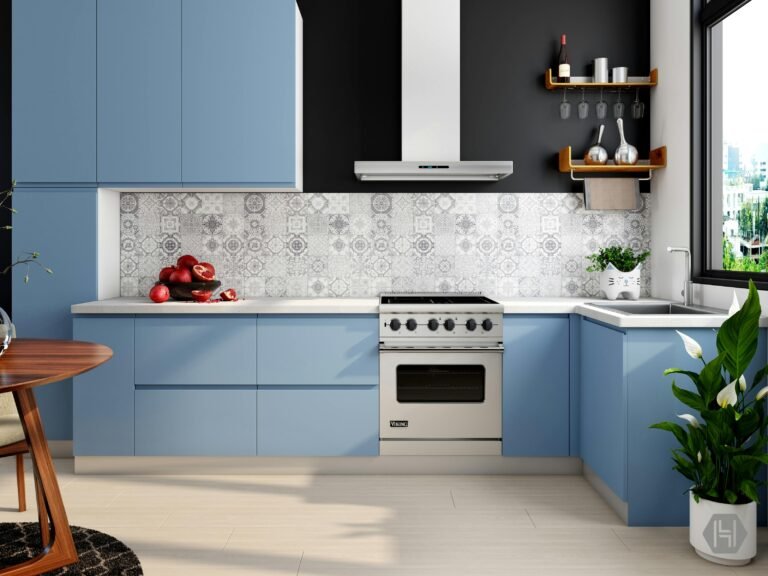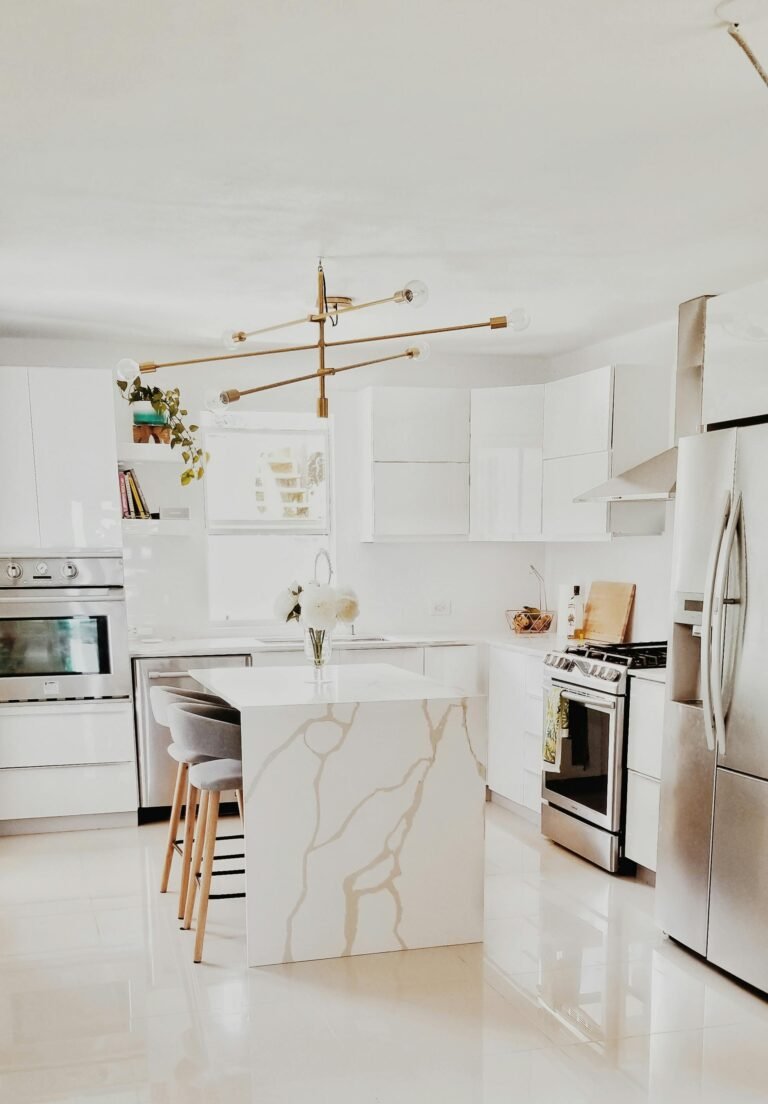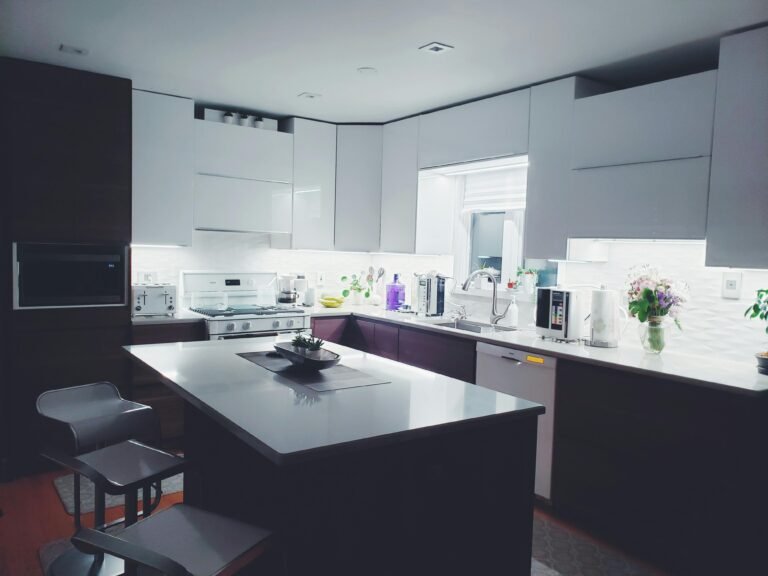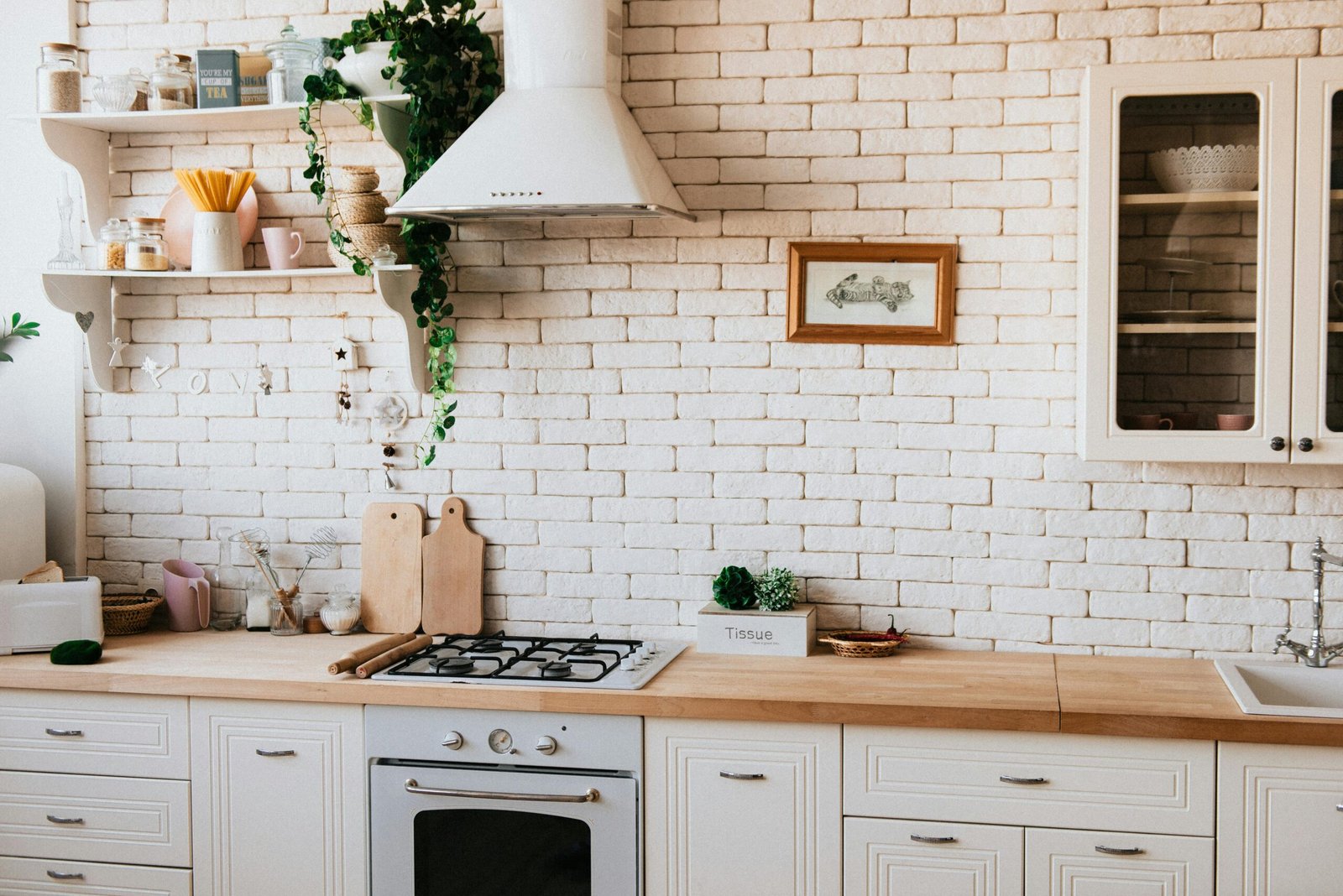
In March 2026, lighting has officially moved from being a “utility” to a “mood architect.” With the rise of affordable, high-CRI (Color Rendering Index) LED technology and smart ecosystems, you can now change the entire structural feel of a room without touching a single piece of furniture.
The golden rule of 2026 is The Layered Light Protocol. —
💡 1. The Three Essential Layers
To avoid the “interrogation room” look, you must mix three distinct types of light.
- Ambient (The Base): This is your general overhead light. In 2026, the trend is indirect ambient—using LED strips hidden in coves or atop cabinets to bounce light off the ceiling, creating a soft, shadowless glow.
- Task (The Function): Focused light for specific activities. Think of a sleek, adjustable pharmacy lamp for reading or high-output under-cabinet LEDs in the kitchen.
- Accent (The Drama): This is the most overlooked layer. Use small “puck” lights to highlight a piece of art, or a battery-operated spotlight to illuminate a large indoor plant from below, casting cinematic shadows on the ceiling.
🎨 2. Master the “Color Temperature”
Light isn’t just “on” or “off”—it has a temperature, measured in Kelvins ($K$). Mixing temperatures is the #1 mistake in 2026 homes.
- 2700K – 3000K (Warm White): Best for living rooms and bedrooms. It mimics the cozy glow of a sunset or a candle.
- 3500K – 4000K (Neutral/Cool White): Best for kitchens, home offices, and bathrooms. It’s “clean” and keeps you alert.
- The 2026 Pro-Tip: Use Tunable White bulbs. These automatically shift from 4000K at noon to 2700K at 8:00 PM, syncing your home with your body’s natural circadian rhythm.
🪞 3. The “Optical Illusion” Hacks
Lighting can physically “resize” a room if you know where to point it.
- To Make a Room Feel Taller: Use “uplighting.” Floor lamps that point straight up or wall sconces that cast light toward the ceiling draw the eye upward.
- To Make a Room Feel Wider: “Wash” the walls. Point track lighting or recessed “eyeball” lights directly at the longest wall. By illuminating the boundaries, the room feels more expansive.
- The Mirror Multiplier: Place a lamp in front of a mirror. It doubles the light output and adds a sense of “infinite depth” to small apartments.
🕹️ 4. 2026 Smart Integration
In 2026, “smart” doesn’t mean “controlled by an app”—it means automation.
- Motion-Triggered Pathing: Install low-voltage LED strips under your bed frame and bathroom vanity. They should glow at 5% brightness only when they detect movement at night, guiding you safely without waking your brain up.
- Invisible Tech: Replace traditional bulky switches with minimalist, haptic touch-pads or voice-integrated hubs that can activate “Scenes” (e.g., “Movie Night” dims the overheads to 10% and turns on the warm amber accents).
📊 2026 Lighting Quick-Reference
| Room | Primary Layer | Recommended Temp | 2026 Trend |
| Living Room | Accent / Ambient | 2700K | Sculptural floor lamps as art pieces. |
| Kitchen | Task | 3500K | Motion-sensor under-cabinet “hidden” LEDs. |
| Bedroom | Accent | 2400K – 2700K | Integrated headboard “halo” lighting. |
| Home Office | Task | 4000K | High-CRI desk lamps to reduce eye strain. |
💡 The Final 2026 “Secret”: The Dimmer
If you do nothing else, install dimmers. In 2026, a room that can only be “Full Bright” is a room with no personality. Being able to drop the lights to 20% instantly transforms a functional space into a sanctuary.
- Create a 2026 lighting plan for a living room
- List top-rated smart lighting ecosystems for 2026
- Draft a guide for DIY under-cabinet LED installation
About the Author