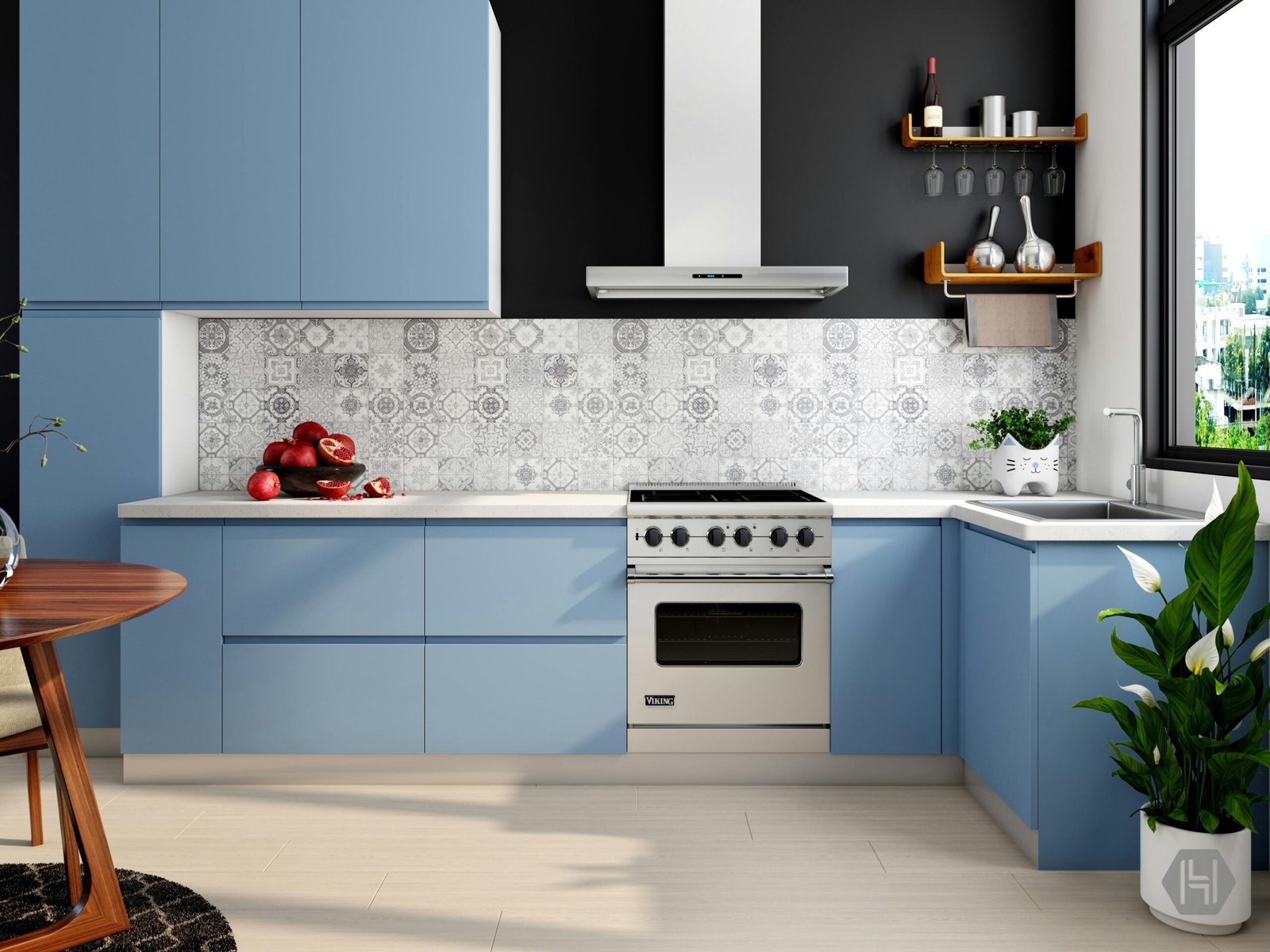
In March 2026, furniture selection has shifted from “matching sets” to “Zoned Functionality.” With the average home now serving as a multi-use hub, each piece of furniture is evaluated based on its Ergonomic Profile and Visual Weight.
Here is the 2026 blueprint for furnishing your home room-by-room.
🛋️ 1. The Living Room: The “Anchor” Strategy
The living room is the most high-traffic zone; it requires a balance of durability and “Conversation Flow.”
- The Anchor Piece: Start with the sofa. In 2026, “Pit” or “Modular” sofas are preferred because they can be rearranged for movie nights or formal hosting.
- Scale & Clearance: Ensure there is at least 18 inches between your coffee table and sofa, and 36 inches for main walkways.
- Visual Weight: If you have a small room, choose furniture with visible legs (tapered or “pencil” legs). Seeing the floor underneath makes the room feel larger.
🍽️ 2. The Dining Room: Flexibility is King
In 2026, the dining table often doubles as a secondary workspace or a craft station.
- Shape Matters: Round tables are best for tight spaces and encourage better conversation. Rectangular tables are better for defining a dedicated “zone” in an open-concept house.
- The “Chair Rule”: Allow 24 inches of width per person at the table. To avoid a “cluttered” look, choose chairs with low backs or open-weave designs (like cane or spindle) to keep sightlines clear.
🛏️ 3. The Bedroom: The “Low-Stimulus” Zone
Your bedroom furniture should prioritize “Tactile Comfort” and hidden utility.
- The Bed Frame: In 2026, upholstered headboards in performance fabrics (like “Easy-Clean” velvet) are trending for their acoustic dampening properties.
- Nightstand Height: Your nightstand should be within 2 inches of the top of your mattress. Any higher or lower creates an ergonomic strain when reaching for items in the dark.
- Floating Pieces: To maintain a “Zen” feel, use floating nightstands or wall-mounted vanities to keep the floor clear and minimize dust bunnies.
📊 Furniture Buying Checklist (2026 Edition)
| Room | Priority | Key Measurement | 2026 Trend |
| Living Room | Comfort / Scale | 18″ coffee table gap. | Chunky, “Fat” silhouettes. |
| Dining Room | Durability | 36″ clearance behind chairs. | Mixed-material chairs. |
| Bedroom | Serenity | 24″ walk space around bed. | Integrated tech charging. |
| Home Office | Ergonomics | Desk height of 28″-30″. | Sit-to-stand “Ghost” desks. |
🛠️ 4. The 2026 “Material” Filter
Before buying, run every piece through the “3-S Test”:
- Sustainability: Is it made of FSC-certified wood or recycled composites?
- Sensory: Does the texture (bouclé, raw wood, stone) feel good to the touch?
- Smart: Does it have integrated cable management or modular potential?
💡 The Pro Tip: The “Tape-Out” Method
Before clicking “buy” in 2026, use blue painter’s tape to outline the dimensions of the furniture on your floor. Walk around the taped areas for 24 hours. If you find yourself “tripping” over the tape or feeling boxed in, the piece is too large for the room.
- Create a 2026 room-by-room furniture budget
- List top-rated sustainable furniture brands for 2026
- Draft a guide for measuring room clearance
About the Author