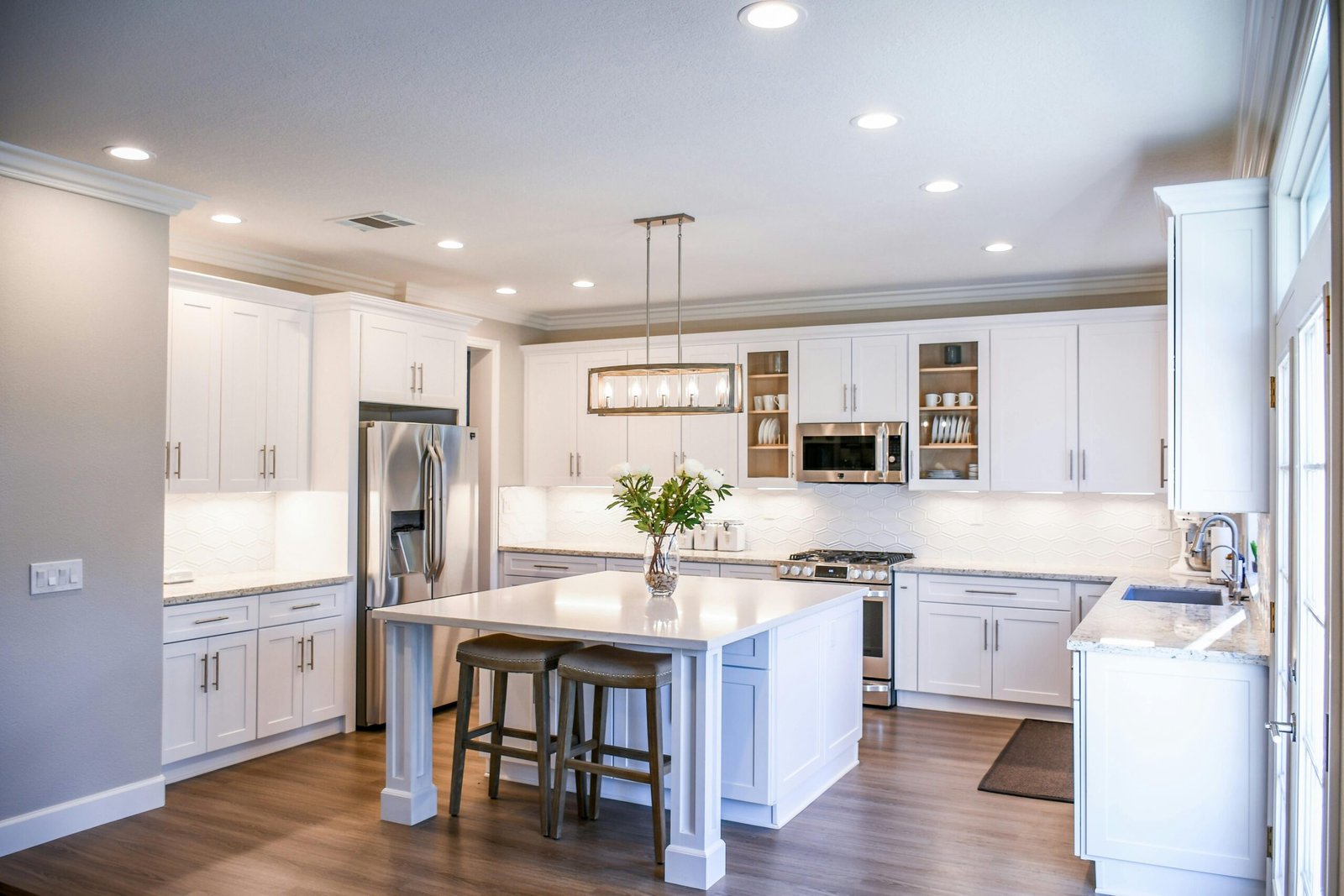
In March 2026, the “Golden Triangle” (the distance between your sink, stove, and fridge) remains the foundational rule of kitchen design, but modern layouts are increasingly focused on “Zoning.” Instead of just moving between three points, 2026 kitchens are designed for multiple people to perform different tasks—cooking, socializing, and working—simultaneously.
Here is the breakdown of the three most dominant layouts for modern homes.
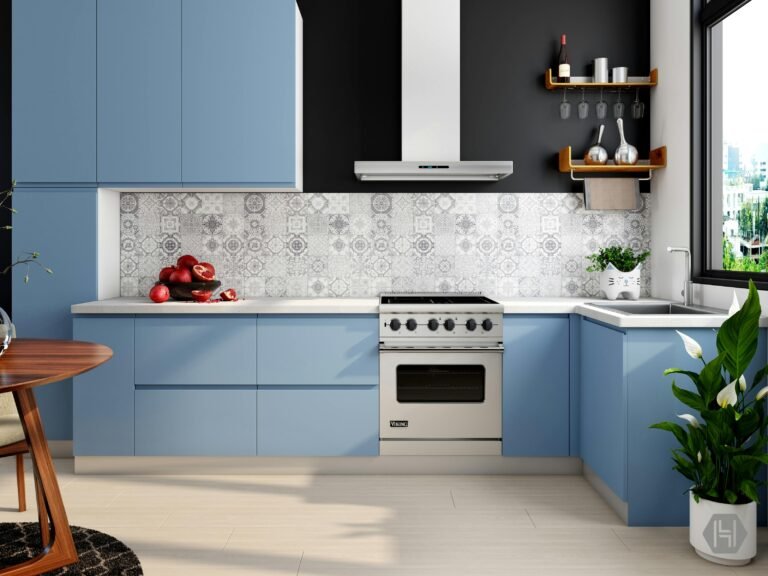
📐 1. The L-Shaped Kitchen
The L-shape uses two adjacent walls, leaving the rest of the room open. It is currently the most popular choice for “Great Room” open-concept living.
- Pros:
- Open Flow: Eliminates traffic jams by keeping the center of the room clear.
- Versatility: Easily accommodates a dining table or a mobile butcher block in the center.
- Corner Efficiency: Modern 2026 cabinetry features “LeMans” pull-outs that make deep corner storage 100% accessible.
- Cons:
- Spaced Out: If the “L” is too long, the distance between the fridge and stove can become tiring.
- Counter Limits: Offers less total prep space than U-shaped or Island layouts.
🧲 2. The U-Shaped Kitchen
The U-shape surrounds the cook on three sides with countertops and cabinetry. It is the “Chef’s Choice” for high-efficiency cooking.
- Pros:
- Maximized Storage: Provides the highest ratio of cabinet-to-floor space.
- The “Cockpit” Feel: Everything is within a pivot’s reach, making it ideal for solo, intensive cooking.
- No Through-Traffic: The closed end of the “U” prevents family members from walking through your workspace.
- Cons:
- The “Cramp” Factor: Can feel claustrophobic in smaller homes if there aren’t enough windows or light.
- Double Corners: You have two “blind” corners to manage, which can be expensive to outfit with smart storage.
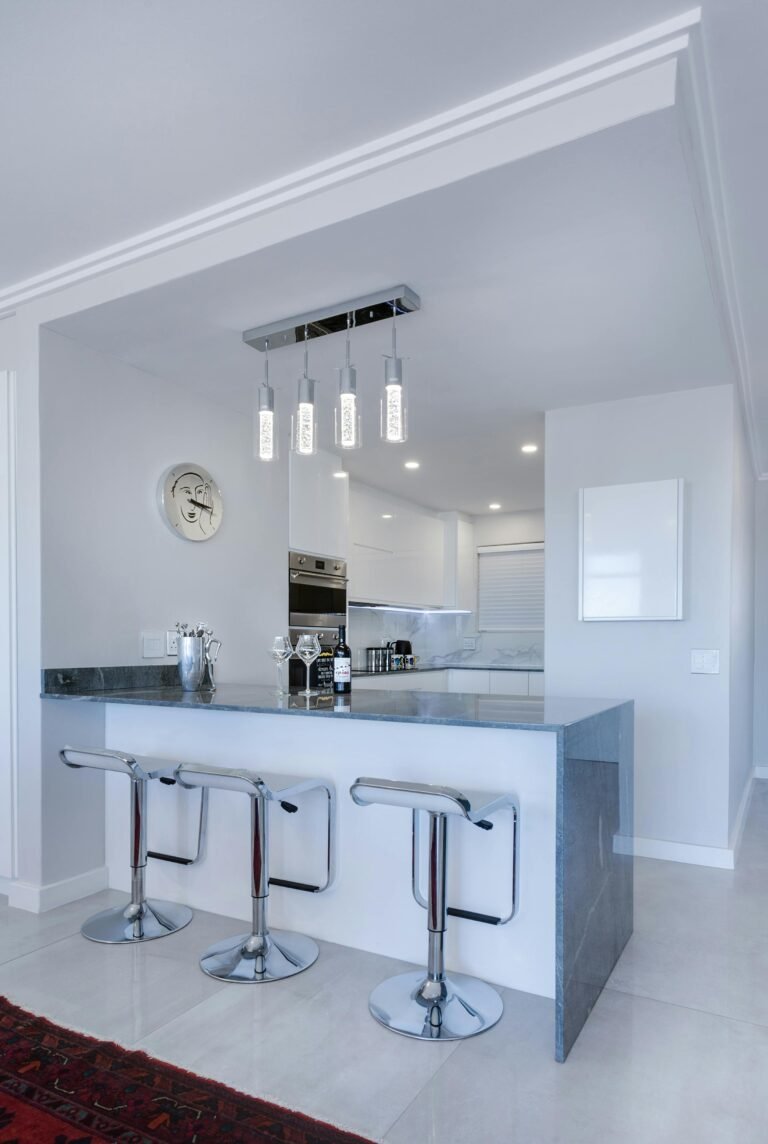
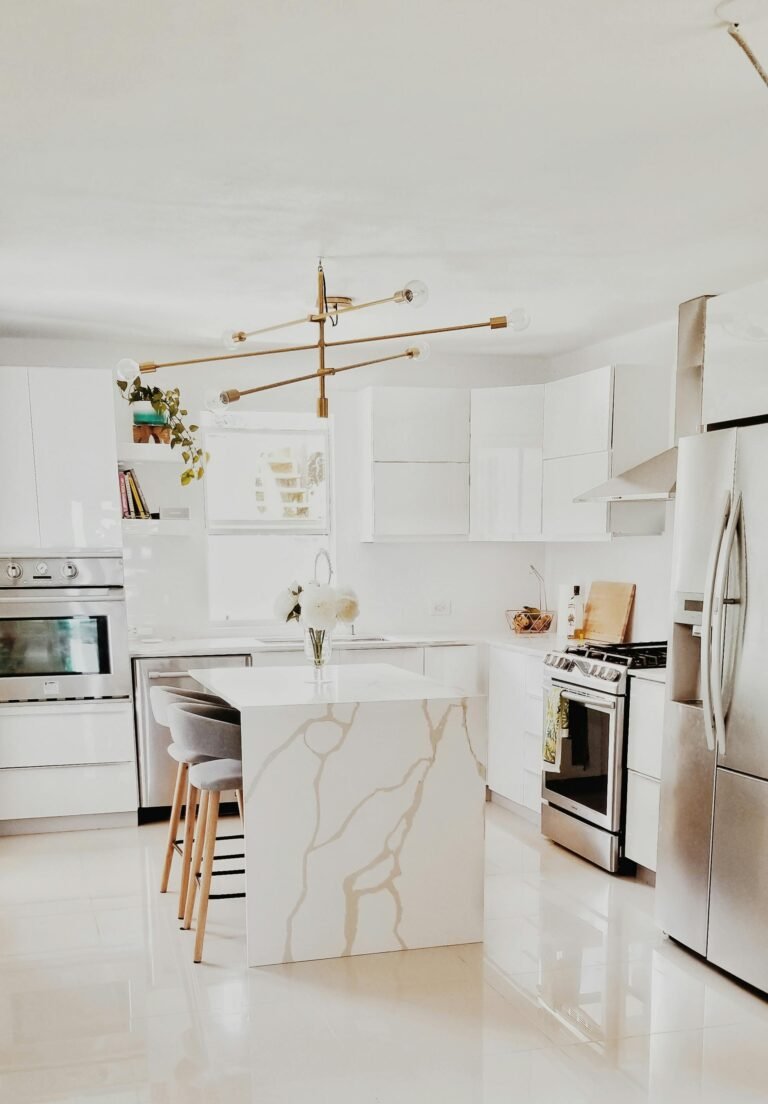
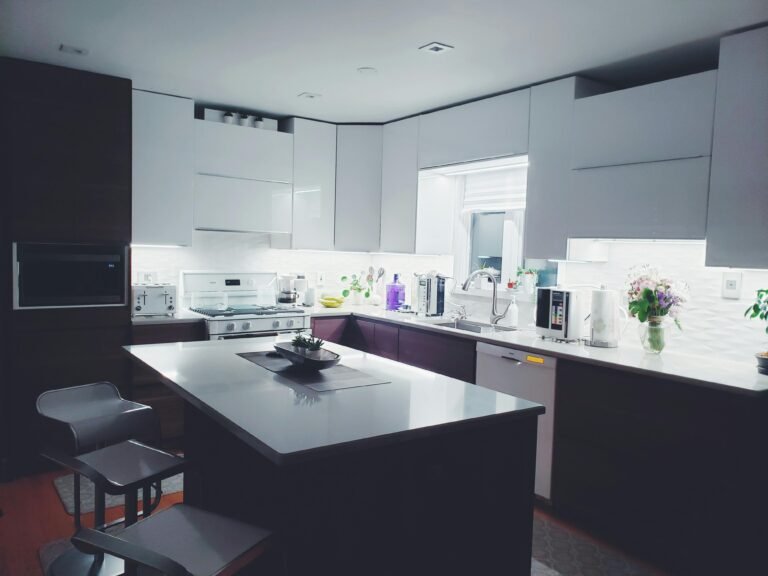
🏝️ 3. The Island Layout
In 2026, the Island is no longer just a prep station; it is the “Social Anchor” of the home.
- Pros:
- Multitasking Hub: Allows one person to prep food while another works on a laptop or kids do homework.
- Dual Access: High-end 2026 designs often feature “Pass-Through” drawers accessible from both the kitchen side and the seating side.
- Visual Shield: The island acts as a subtle barrier between the “messy” cooking zone and the “clean” living area.
- Cons:
- Clearance Issues: Requires at least 42 inches of walkway on all sides to avoid feeling cramped.
- Service Costs: Moving plumbing or gas lines to an island during a renovation is significantly more expensive than keeping them on the wall.
📊 2026 Layout Comparison Matrix
| Feature | L-Shaped | U-Shaped | Island |
| Social Value | High (Open) | Low (Enclosed) | Very High (The Hub) |
| Prep Space | Moderate | Very High | High |
| Cost to Build | Lowest | Moderate | Highest (Plumbing/Electric) |
| Best For | Small-Medium Homes | Serious Home Chefs | Large, Social Families |
💡 The 2026 “Secret” Trend: The Scullery
Regardless of the layout, 2026’s biggest trend is the “Hidden Scullery” or “Butler’s Pantry.” This is a small, secondary “U-shaped” zone behind a pocket door where small appliances (toasters, coffee makers) and dirty dishes are hidden from view, allowing the main kitchen (the L or Island) to remain a pristine social space.
- Create a 2026 kitchen zoning plan
- List top-rated 2026 kitchen cabinet pull-out systems
- Draft a guide for island clearance measurements
About the Author